Responsible gaming information for D71 readers
D71’s recorded safety information describes gaming as entertainment, not income. This page offers practical ways to set boundaries, recognise risk and seek help.
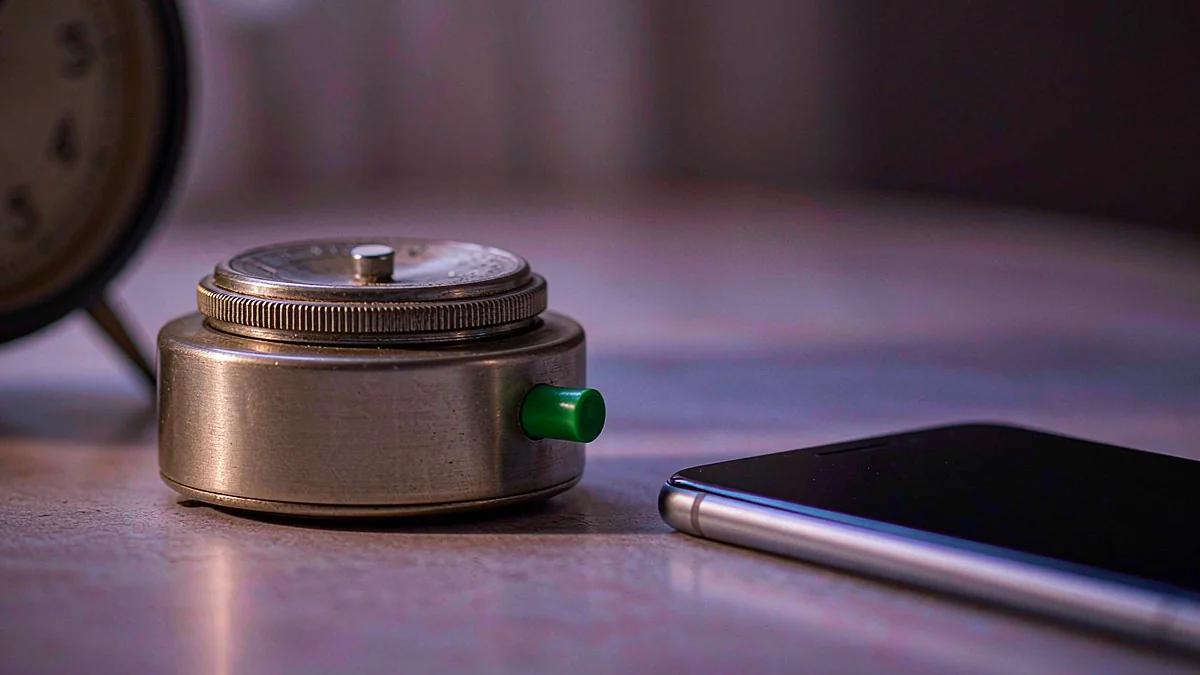
- Choose a budget you can afford to lose.
- Take breaks and stop when your time ends.
- Do not borrow or chase losses.
General illustration for planning safer gaming boundaries; it is not a verified D71 interface screenshot.
What does responsible gaming mean for D71?
D71’s recorded information states that gaming should remain entertainment and should not interfere with everyday life. It also displays an 18+ boundary and refers to deposit and session limits.
No specific limit amounts or local help contacts are published in the available information. Set a personal budget before playing, never borrow to play, and stop if you feel pressure to recover losses.
Protecting your wellbeing starts with recognising your own limits.
Deposit limits, time limits and breaks are tools for responsible use.
Recorded information describes Bengali- and English-language support through live chat and email, available 24/7.
What signs should prompt a pause?
Problematic gaming can develop gradually. The following signs may indicate that it is time to pause and seek support:
- Spending beyond your budget or borrowing money to play.
- Continuing to play to recover losses.
- Neglecting family, work or study because of gaming.
- Being unable to stop, despite repeated attempts.
- Hiding or lying about gaming to people close to you.
- Feeling restless, anxious or irritable when not gaming.
- Reducing sleep or meals to spend more time gaming.

- Check whether gaming affects sleep, work or study.
- Watch for attempts to recover losses by playing more.
- Talk to someone you trust if control feels difficult.
General awareness illustration about warning signs, not a claim about a specific D71 game or account feature.
Even one of these signs can be a reason to pause, review your limits and ask someone you trust for help. Seeking support is a practical step, not a weakness.
How can you set time and budget limits?
Before any gaming activity, decide how much time and money you can afford. Treat gaming as entertainment, not income, and do not use essential household funds.
Choose an end time before you begin. Use an alarm or reminder and stop when the limit is reached.
Choose an amount you can afford to lose, keep it separate from essential expenses and do not add more after the limit is reached.
Avoid gaming when tired, distressed or under pressure; these conditions can make spending decisions harder.
Do not chase losses by continuing to play. Take a break and review your budget another day.
What self-control options are recorded for D71?
D71’s recorded safety information mentions deposit and session limits, but it does not provide specific limit amounts. Check the current terms before relying on any account feature.
Set a deposit limit that fits your budget. The available setting and its effect should be confirmed in the current D71 account terms.
If gaming is affecting your routine or mood, step away and return only if you can do so within your planned limits.
If you need a longer break, ask D71 support what account-closure or exclusion options are currently available. Do not assume a feature exists without confirmation.
For recorded support, D71 lists live chat and email in Bengali and English. Do not share passwords, wallet PINs or one-time codes.
How can adults help protect minors?
D71 displays an 18+ message. Adults should keep gaming accounts and payment devices away from minors; the available age-check process is not specified in the recorded information.
If a minor may be using an account or device, secure the device, stop access and contact the relevant account support channel.
- Use a screen lock and device PIN.
- Keep account passwords private and out of children’s view.
- Discuss responsible gaming and age limits with everyone in the household.
- Do not leave a device unattended while an account is signed in.

- Keep gaming away from children and minors.
- Pause if gaming is affecting daily life.
- Seek qualified or trusted personal support when needed.
General illustration for age awareness and help-seeking; no specific D71 support interface is shown.
Keep gaming in perspective and seek help when needed
Gaming should remain a small part of life. Put family, work, study, health and financial responsibilities first; seek professional or personal support if gaming is affecting them.
Ask yourself
- Is gaming affecting my sleep?
- Am I spending enough time with family and friends?
- Is gaming interfering with my work or studies?
- Can I stop when I decide to?
Where can I seek support?
D71 records live chat and email as support channels, with Bengali and English support described as available 24/7.
Support channels: Live chat or email via the current D71 support page
You may also speak with a trusted family member or a qualified mental-health professional. Do not share passwords, wallet PINs or one-time codes when asking for help.
D71 and gambling harm awareness: warning signs, loss-chasing and help-seeking
D71’s recorded safety information identifies the service as 18+ and refers to deposit and session limits. It also presents gaming as entertainment rather than income. The specific values of any limits are not stated here, so readers should check the current terms before relying on them.
A safer approach is to decide a spending and time boundary before starting, record what you spend, and stop when the boundary is reached. Never use borrowed money or essential household funds, and do not increase stakes simply because an earlier round ended in a loss.
The selected video is general educational material from Rooted Recovery Stories, not a D71 endorsement or local support service. It discusses harm awareness, grief, addiction and help-seeking; sensitive topics may be included. If gaming is affecting sleep, work, study, relationships or finances, consider speaking with a trusted person or an appropriate qualified professional.
This video offers general education about gambling-related harm and recovery. It should not be treated as legal, medical or local support advice.
Rooted Recovery Stories · English · Watch on YouTube
- Set time and spending limits before play.
- Do not chase losses or use essential money.
- Seek trusted or qualified help when gaming disrupts daily life.
Your wellbeing comes first
Use gaming only within limits you can afford. If it causes pressure or disrupts daily life, pause and seek support. Remember that D71’s recorded safety material says 18+ and describes gaming as entertainment, not income.
